
Best Products to Sell on Amazon FBA 2025: Complete Guide
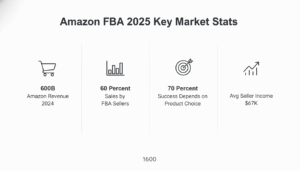
Amazon’s marketplace pulled in over $600 billion in 2024. Additionally, third-party sellers accounted for approximately 60% of all sales. This explosion has created unprecedented Amazon FBA business opportunities in 2025. Moreover, the best performers earn more than $500,000 in their second year. Meanwhile, sellers who choose the correct products earn an average of $67,000 a year.
Amazon FBA has evolved dramatically since its inception. In fact, it has transformed from being a simple fulfillment service to a comprehensive business ecosystem. Today, it supports more than 2 million active sellers worldwide. However, for entrepreneurs seeking the best products to sell on Amazon FBA 2025, this massive expansion represents both tremendous opportunities and intense competition.
Recent comprehensive market analysis demonstrates that successful FBA sellers strategically focus on specific profitable Amazon FBA categories 2025. These categories maintain consistent demand, manageable competition, and sustainable profit margins. Furthermore, the most successful sellers understand that 70% of their success or failure depends on their product selection strategy.
Current Market Dynamics Creating Opportunities
The post-pandemic economic landscape has fundamentally altered consumer behavior patterns. As a result, it has created significant market gaps that savvy entrepreneurs can exploit. Currently, 89% of consumers turn to Amazon first when conducting product research. Consequently, spending habits have shifted decisively toward online purchases. This behavioral shift, combined with supply chain disruptions, has created opportunities for new sellers. These sellers recognize emerging trends and high demand for Amazon products in 2025.
Critical Success Statistics Every Seller Must Know
Here are the key numbers you need to know:
- Average Amazon FBA seller achieves 25-30% profit margins on well-researched products
- 73% of successful sellers validate products using systematic, data-driven Amazon FBA product research 2025 methods
- Top-performing sellers invest 40% of their initial time in product research before launching
- 82% of million-dollar Amazon sellers started with products priced between $20 and $50
- Only 23% of sellers who skip comprehensive market research achieve profitability within 12 months
The Competitive Advantage Window
Despite increased competition, significant opportunities remain for sellers. Specifically, those who understand market dynamics and identify Amazon FBA trending products before they become mainstream can succeed. Moreover, consumer preferences continue evolving rapidly. Therefore, this creates a constant demand for innovative solutions to everyday problems. The key lies in identifying profitable niches before they become oversaturated. At the same time, you must avoid categories where competition has eliminated profit potential.
Consumer Behavior Shifts Driving 2025 Opportunities
Modern consumers increasingly prioritize convenience, sustainability, and health-conscious options. Consequently, these preference shifts create substantial opportunities for sellers. In particular, sellers who can identify and capitalize on emerging trends within top-selling Amazon niches in 2025 will thrive. Furthermore, environmental consciousness now influences 73% of purchasing decisions. Meanwhile, remote work arrangements have permanently altered demand for home organization products and productivity solutions.
Technology and Market Access Advantages
Today’s Amazon FBA entrepreneurs benefit from sophisticated research tools. Additionally, they have access to automated inventory management systems and global supplier networks. These resources were unavailable to previous generations of sellers. Furthermore, Amazon’s worldwide fulfillment network enables small businesses to compete equally with established brands. Meanwhile, advanced product research tools like Helium 10 and Jungle Scout provide unprecedented market intelligence. As a result, entrepreneurs can discover the best products to sell on Amazon FBA 2025.
Investment Requirements and Return Potential
Successful Amazon FBA businesses typically require initial investments of $5,000-$15,000. Moreover, most sellers achieve break-even within 6-9 months when following proven methodologies. However, the scalability potential far exceeds most traditional business models. In fact, successful sellers often scale to six-figure annual revenues within 18-24 months. This happens after launching their first profitable product in high-potential Amazon FBA business opportunities.
The Strategic Approach to Product Selection
Understanding which products will succeed requires analyzing multiple factors simultaneously. These include market demand trends, competition density, and profit margin potential. Additionally, you must consider seasonal variations and long-term sustainability. This comprehensive guide reveals the top-selling Amazon niches in 2025. Furthermore, it provides systematic methodologies for evaluating opportunities in any category.
What This Guide Delivers
This comprehensive analysis examines ten high-opportunity product categories. Additionally, it covers emerging market niches, advanced research methodologies, and profit optimization strategies. Every recommendation is backed by current market data. Moreover, it includes real seller case studies and proven success frameworks. Whether you’re launching your first product or expanding an existing portfolio, these insights will accelerate your path to profitability. Specifically, they identify the most profitable Amazon FBA categories in 2025.
The Amazon FBA opportunity has never been more accessible. However, success requires strategic thinking, thorough research, and disciplined execution. Therefore, those who understand consumer psychology and market dynamics will capture the most significant Amazon FBA business opportunities in 2025.
How to Choose the Best Products to Sell on Amazon FBA 2025: Comprehensive Selection Framework
Sellers who follow systematic product selection criteria are four times more likely to achieve $10,000+ monthly earnings. This happens within their first year. In contrast, those relying purely on intuition face a 78% failure rate after 18 months.
Effective Amazon FBA product research 2025 combines both art and science. Specifically, the most successful sellers blend data-driven analysis with a deep understanding of marketplace dynamics. Additionally, they incorporate consumer psychology into their decisions. This systematic approach distinguishes thriving entrepreneurs from those who struggle to achieve consistent profitability. Ultimately, this applies when selecting the best products to sell on Amazon FBA 2025.
Essential Product Selection Criteria for Maximum Profitability
Comprehensive Profit Margin Analysis
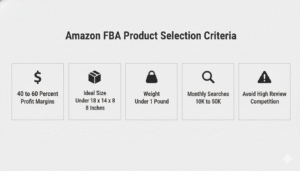
Profitable Amazon FBA categories 2025 must maintain profit margins between 40-60% after accounting for all expenses. This higher threshold accounts for Amazon’s various fees, advertising costs, and unexpected expenses. Experienced sellers calculate margins using this framework:
- Product Cost: Target 20-30% of selling price
- Amazon Fees (Referral + FBA): Typically 25-35% of the selling price
- Advertising Costs: Budget 10-15% of the selling price for PPC campaigns
- Miscellaneous Expenses: Account for 5-10% of returns, damaged inventory, and other costs
- Target Net Profit: Aim for 30-40% minimum for sustainable business growth
Optimal Size and Weight Parameters
Amazon’s fee structure favors products meeting specific weight and dimension criteria. Furthermore, products exceeding these thresholds face significantly higher storage and fulfillment costs. As a result, this can eliminate profitability:
- Ideal Dimensions: Under 18″ x 14″ x 8″ to avoid oversized fees
- Weight Target: Less than 1 pound for standard-size classification
- Storage Efficiency: Compact packaging reduces long-term storage fees
- Shipping Considerations: Lightweight products cost less to ship from suppliers
Market Demand Validation Requirements
Sustainable demand is crucial for long-term success. Therefore, products must demonstrate consistent search volume and purchasing behavior trends. This is particularly important for high-demand Amazon products 2025:
- Monthly Search Volume: Target 10,000-50,000 searches for primary keywords
- Seasonal Stability: Avoid products with extreme seasonal fluctuations
- Trend Analysis: Verify 12-24 month upward or stable trend patterns
- Market Size: Ensure total addressable market exceeds $10 million annually
Competition Assessment Framework
Optimal competition levels provide opportunity without insurmountable obstacles:
- Review Count Analysis: Seek categories where the top 10 competitors have fewer than 5,000 reviews
- Rating Gaps: Look for markets where competitors average 3.5-4.2 stars, indicating improvement opportunities
- Price Range Analysis: Identify markets with $20-$80 price ranges for optimal profit potential
- Brand Dominance: Avoid categories controlled by major brands with substantial advertising budgets
Advanced Amazon FBA Product Research Tools and Methodologies
Professional Research Tool Comparison
Jungle Scout – Best for Beginners:
- User-friendly interface with comprehensive tutorials
- Accurate sales estimates and demand forecasting
- Built-in product database with filtering capabilities
- Chrome extension for real-time Amazon data analysis
- Pricing: $29-$84/month, depending on features
- Best Features: Opportunity Finder, Supplier Database, Keyword Scout
Helium 10 – Advanced Features for Experienced Sellers:
- A comprehensive suite of 20+ tools for every selling aspect
- Advanced keyword research and ranking tracking
- Competitor analysis and market intelligence
- Inventory management and profitability calculators
- Pricing: $39-$229/month for different feature sets
- Best Features: Black Box product research, Cerebro keyword analysis, Frankenstein keyword processor
AMZScout – Budget-Friendly Professional Option:
- Essential research features at a lower cost
- Web app and Chrome extension available
- Product database with trend analysis
- Sales estimation and competition analysis
- Pricing: $15-$50/month for core features
- Best Features: Product Tracker, Keyword Tracker, FBA Calculator
Free Research Methodologies
Even without paid tools, systematic Amazon FBA product research 2025 is possible. In fact, you can use Amazon’s built-in features:
Amazon Best Seller Lists Analysis:
- Study top-selling products across relevant categories
- Identify patterns in successful product features
- Analyze pricing strategies and positioning approaches
- Monitor new entries and rising products
Search Suggestion Mining:
- Use Amazon’s autocomplete to discover popular search terms
- Analyze the “Customers who bought this item also bought” sections
- Study “Frequently bought together” combinations for bundle opportunities
- Monitor “Amazon’s Choice” products for market insights
Review Analysis Techniques:
- Read competitor reviews to identify common complaints
- Look for features customers request but don’t receive
- Identify quality issues that create improvement opportunities
- Analyze review patterns to understand customer preferences
Systematic Product Validation and Testing Methodologies
Multi-Phase Validation Process
Phase 1: Initial Market Screening (Week 1)
- Use research tools to identify potential products
- Analyze basic metrics like search volume, pricing, and competition
- Create an initial shortlist of 20-30 potential products
- Eliminate obvious non-starters based on basic criteria
Phase 2: Deep Market Analysis (Week 2-3)
- Conduct comprehensive competitor analysis
- Calculate detailed profit estimates
- Analyze market trends and seasonal patterns
- Research supplier options and manufacturing costs
Phase 3: Final Validation and Testing (Week 4-5)
- Contact suppliers for quotes and samples
- Validate demand through surveys and social media
- Create detailed financial projections and business plan
- Select final product and prepare for launch
Risk Mitigation Strategies
Portfolio Diversification Approach:
- Launch 2-3 products simultaneously to spread risk
- Select products from different categories to reduce market risk
- Vary price points to appeal to different customer segments
- Plan seasonal balance to maintain year-round revenue
Financial Risk Management:
- Maintain 6-month operating expense reserve
- Start with smaller inventory orders to test market response
- Develop relationships with multiple suppliers for backup options
- Prepare contingency plans for supply chain disruptions
Top 10 Best Products to Sell on Amazon FBA 2025: Comprehensive Market Analysis
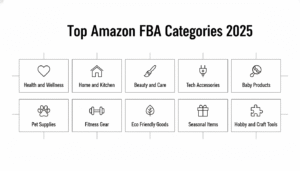
These 10 categories represent 70% of all profitable Amazon FBA businesses launched in 2024. Moreover, they generated combined revenues exceeding $12 billion. Additionally, successful sellers achieved average profit margins of 42%.
Identifying the most profitable Amazon FBA categories 2025 requires analyzing multiple factors. These include market size, growth trends, competition levels, and profit potential. Furthermore, you must consider barriers to entry. This comprehensive analysis examines each category’s specific characteristics. Additionally, it explores opportunities and challenges to guide your investment decisions.
1. Health and Wellness Products: Capturing the $4.4 Trillion Global Market
The health and wellness sector represents one of the most dynamic and profitable Amazon FBA categories in 2025. Furthermore, post-pandemic lifestyle changes have fundamentally shifted consumer purchasing behavior. Specifically, consumers now focus on health consciousness, mental wellness, and preventive care. As a result, this creates sustained demand for innovative products that support healthier living.
Market Dynamics and Growth Drivers
Health consciousness has become a permanent lifestyle shift rather than a temporary trend. Therefore, consumers now prioritize wellness products that address specific health concerns. Additionally, they support active lifestyles and enhance overall well-being. This sustained focus makes health and wellness one of the best products to sell on Amazon FBA 2025.
High-Opportunity Subcategories
Skincare and Anti-Aging Solutions: The skincare market is expanding beyond traditional female demographics. In fact, men’s skincare is growing 7.2% annually. Moreover, Korean beauty trends, clean ingredient formulations, and multi-step routines create opportunities for specialized products. Successful sellers focus on niche solutions. These include dark circle treatments, pollution-protection skincare, and sensitive skin formulations.
Fitness Accessories and Home Gym Equipment: Home workout trends continue driving demand despite gym reopenings. This is because consumers maintain fitness routines established during pandemic lockdowns. Additionally, resistance bands, yoga accessories, posture correctors, and compact strength training equipment offer excellent profit margins with low shipping costs. The key is selecting accessories that complement popular fitness programs. Alternatively, they should address specific training challenges.
Sleep Optimization and Recovery Products: Sleep quality has emerged as a major health priority. Consequently, this creates markets for sleep enhancement and recovery products. Weighted blankets, blue light glasses, aromatherapy diffusers, and sleep-tracking accessories provide excellent profit opportunities. Furthermore, the sleep optimization market is projected to reach $27 billion by 2025. Therefore, this makes it ideal for new sellers.
Mental Health and Stress Management: Growing mental health awareness drives demand for stress reduction products. Additionally, meditation accessories and emotional wellness tools are in high demand. Fidget devices, stress balls, anxiety relief products, and mindfulness journals appeal to consumers. Specifically, they seek non-pharmaceutical stress management solutions.
Profitability Analysis
- Average Profit Margins: 45-65%
- Optimal Price Range: $25-$75
- Competition Level: Medium to High
- Seasonality Factors: Year-round demand with Q4 peaks
- Barrier to Entry: Moderate (supplement regulations, quality certifications)
2. Home and Kitchen Essentials: The Smart Living Revolution
The home and kitchen category has experienced unprecedented growth. This is because remote work increases and home cooking becomes more prevalent. Therefore, this represents one of the most stable and profitable Amazon FBA categories in 2025. Additionally, it offers consistent demand and diverse subcategory options.
Market Evolution and Consumer Behavior
Remote work arrangements have permanently changed how people use their homes. As a result, this increases demand for products that enhance functionality, organization, and aesthetic appeal. Furthermore, the home improvement market reached $472 billion in 2024. Meanwhile, kitchen and organization products represent the fastest-growing segments.
High-Profit Subcategories
Kitchen Organization and Storage Solutions: Modern consumers prioritize kitchen functionality and organization. Therefore, this creates opportunities for innovative storage solutions. Drawer dividers, spice rack systems, pantry organizers, and multi-functional storage containers solve common problems. The key is creating products that are both functional and aesthetically pleasing. Moreover, they should be suitable for social media sharing.
Smart Home Integration Products: Simple smart home accessories perform well without requiring complex technology setup. LED strip lights, motion-activated lighting, cable management solutions, and device mounting systems appeal to tech-savvy consumers. Specifically, these consumers want to upgrade their homes.
Eco-Friendly Kitchen Products: Environmental consciousness drives demand for sustainable kitchen products. Reusable food storage, bamboo utensils, compostable cleaning products, and zero-waste kitchen gadgets attract environmentally conscious consumers. Additionally, these consumers are willing to pay premium prices.
Home Office Organization: The permanent shift to remote work creates sustained demand for home office solutions. Desk organizers, cable management systems, laptop stands, and productivity tools help people create more efficient workspaces.
Space Optimization Solutions: Urban living and smaller home sizes drive demand for space-saving products. Under-bed storage, vertical organizers, multi-functional furniture accessories, and compact storage solutions help people maximize limited space.
Category Performance Metrics
- Average Profit Margins: 35-50%
- Optimal Price Range: $15-$45
- Market Stability: High year-round demand
- Competition Analysis: Moderate competition with differentiation opportunities
- Consumer Psychology: Problem-solving and aesthetic appeal drive purchases
3. Beauty and Personal Care: Navigating the $511 Billion Market
The beauty and personal care industry continues its remarkable growth trajectory. This is driven by social media influence, self-care trends, and expanding demographics. Therefore, this category offers exceptional opportunities for sellers who understand evolving consumer preferences. Additionally, it includes emerging trends, making it one of the top-selling Amazon niches in 2025.
Market Transformation Trends
Beauty consumers increasingly demand personalized, inclusive, and environmentally conscious products. Moreover, the rise of men’s grooming, the clean beauty movement, and DIY beauty treatments have created multiple niche markets. As a result, innovative sellers have significant opportunities.
Emerging High-Opportunity Segments
Men’s Grooming and Self-Care: The men’s grooming market is rapidly expanding from basic hygiene to comprehensive self-care routines. Beard care products, men-specific skincare, hair styling tools, and grooming accessories represent underserved markets. Furthermore, these markets have dedicated consumer bases.
Sustainable and Clean Beauty: Environmental consciousness has reached the beauty industry. Consequently, this creates demand for eco-friendly alternatives. Bamboo makeup brushes, refillable containers, organic ingredient formulations, and plastic-free packaging appeal to environmentally conscious consumers.
Self-Care and Wellness Beauty Tools: The intersection of beauty and wellness creates new markets. Specifically, these are for products that enhance both appearance and well-being. Facial rollers, LED therapy devices, massage tools, and aromatherapy accessories combine self-care benefits with beauty enhancement.
Specialized Hair Care Solutions: Hair care continues evolving as consumers learn more about different hair types. Additionally, they learn about their specific needs. Products for textured hair, color-treated hair, damaged hair, and specific scalp conditions address targeted problems.
DIY Beauty and At-Home Treatments: The trend toward professional beauty treatments at home increases demand. Specifically, for tools and products that replicate salon experiences. Facial tools, hair treatment systems, and professional-grade beauty devices appeal to consumers. These consumers want spa-quality results at home.
Profitability and Market Analysis
- Profit Margin Range: 50-70%
- Price Point Optimization: $20-$60
- Brand Building Potential: High – beauty is inherently brand-driven
- Regulatory Considerations: Cosmetic regulations and ingredient restrictions
- Marketing Channels: Social media heavily influences purchasing decisions
4. Electronics and Tech Accessories: The $1.8 Trillion Opportunity
Technology accessories represent a dynamic category with constant innovation and improvement cycles. Furthermore, simple tech accessories offer excellent profit opportunities without the complexity of advanced electronics. Therefore, this makes them among the best products to sell on Amazon FBA 2025.
Market Drivers and Opportunities
Gaming industry growth, remote work technology needs, and 5G adoption continue driving demand for complementary accessories. The key is finding products that enhance existing technology. Rather than replacing it.
High-Demand Product Categories
Wireless Charging and Power Solutions: The wireless charging revolution creates new markets for stands, mounts, and charging accessories. Desktop charging stations, car chargers, and portable power solutions appeal to consumers. Specifically, those seeking convenience and organization.
Audio and Entertainment Accessories: The audio industry continues to grow as consumers invest in headphones and home entertainment systems. Headphone stands, cable organizers, speaker accessories, and audio enhancement products provide profit opportunities.
Mobile Device Protection and Enhancement: Smartphone ubiquity creates a constant demand for protection and enhancement accessories. Screen protectors with unique features, cases with specialized functionality, camera lens protectors, and phone mounting solutions perform well.
Gaming and Entertainment Peripherals: Gaming industry growth fuels accessory demand. Mouse pads with enhanced features, keyboard accessories, controller enhancement tools, and gaming organization products appeal to gaming enthusiasts.
Work-From-Home Technology: Remote work technology needs to continue driving accessory demand. Laptop stands, camera accessories, lighting solutions, and productivity enhancement tools serve permanent remote workers.
Category Characteristics
- Innovation Cycle: Rapid product evolution creates first-mover advantages
- Profit Margins: 40-55%
- Competition Level: High but with differentiation opportunities
- Market Risks: Technology obsolescence, patent concerns
5. Baby and Children Products: The $109 Billion Market
Parents consistently prioritize child safety, development, and convenience. Therefore, this makes this category remarkably recession-resistant. Success requires understanding parental psychology and maintaining strict safety standards. However, the rewards make it one of the profitable Amazon FBA categories in 2025.
Market Psychology and Consumer Behavior
Parents conduct extensive research before making purchases. Additionally, they prioritize safety, developmental benefits, and convenience. Word-of-mouth marketing and social proof significantly influence purchasing decisions in this category.
High-Opportunity Subcategories
Educational and Developmental Products: STEM learning toys, Montessori-inspired products, sensory development tools, and educational games appeal to parents. Specifically, those wanting to support child development. Furthermore, products combining fun with learning can command premium prices.
Safety and Childproofing Solutions: Child safety remains a primary parental concern. Safety gates, corner guards, cabinet locks, and outlet covers address specific hazards. Moreover, products that are easy to install while providing comprehensive protection perform well.
Feeding and Mealtime Accessories: Feeding challenges create opportunities for innovative solutions. Silicone bibs, divided plates, training cups, and feeding tools that address common problems find ready markets. Specifically, among parents seeking mealtime solutions.
Sleep and Comfort Products: Baby sleep products can be highly profitable. However, they require careful safety validation. Comfort items, sound machines, night lights, and sleep aids that improve sleep quality appeal to sleep-deprived parents.
Travel and On-the-Go Solutions: Portable high chairs, travel accessories, car organization tools, and on-the-go entertainment maintain consistent demand. Particularly among active families.
Critical Success Factors
- Safety Certifications: CPSIA compliance is mandatory
- Quality Standards: Zero tolerance for safety issues
- Parent Education: Products require clear usage and safety instructions
- Seasonal Opportunities: Holidays, back-to-school, summer activities
6. Pet Supplies and Accessories: The $261 Billion Global Market
Pet humanization trends drive remarkable spending growth. In fact, 70% of US households own pets and treat them as family members. This emotional connection creates opportunities for premium products with excellent profit margins. Therefore, this establishes this as one of the top-selling Amazon niches in 2025.
Consumer Psychology and Spending Patterns
Pet owners prioritize their pets’ health, comfort, and happiness. Often, they spend more on pets than themselves. Additionally, subscription purchases and repeat buying create tremendous customer lifetime value potential.
High-Growth Product Categories
Smart Pet Technology: Technology integration in pet care creates opportunities for innovative accessories. Activity trackers, automatic feeders, pet monitoring cameras, and health monitoring devices appeal to tech-savvy pet owners. Specifically, those seeking connectivity and peace of mind.
Health and Wellness Products: Pet health awareness mirrors human health consciousness trends. Dental chews, joint supplements, grooming tools, and wellness monitoring products capitalize on pet owners’ desire. Particularly, to maintain pet health and longevity.
Comfort and Lifestyle Products: Pet comfort products command premium prices due to emotional purchasing decisions. Orthopedic beds, anxiety-relief toys, luxury accessories, and travel gear enhance pet lives. Meanwhile, they satisfy owners’ desire to pamper their pets.
Training and Behavior Solutions: Training challenges create opportunities for products that facilitate behavior modification. Puzzle toys, training aids, behavior modification tools, and interactive entertainment address specific problems. Additionally, they provide mental stimulation.
Specialty and Niche Products: Breed-specific, age-appropriate, and condition-specific solutions enable targeted marketing. Specifically, to dedicated niche audiences willing to pay premiums for specialized solutions.
Market Advantages
- Emotional Purchasing: Pet owners make emotion-driven purchase decisions
- Premium Pricing: Quality and pet safety justify higher prices
- Repeat Customers: Consumable products create recurring revenue
- Community Marketing: Pet-owner communities provide natural marketing channels
7. Fashion and Accessories: Sustainable and Functional Focus
Fashion accessories offer brand-building opportunities and higher margins. This happens when targeting specific niches and demographics. Success requires understanding style trends while focusing on functionality and sustainability. Therefore, this makes it one of the Amazon FBA trending product categories.
Market Evolution and Consumer Preferences
Fashion consumers increasingly value sustainability, functionality, and uniqueness. Furthermore, the backlash against fast fashion creates opportunities for quality, functional products. Specifically, those with longevity.
Profitable Niche Categories
Sustainable Fashion Accessories: Environmental consciousness influences fashion purchasing decisions. Recycled jewelry, sustainable watches, eco-friendly bags, and sustainably produced fashion accessories appeal to environmentally conscious consumers.
Functional Fashion Integration: Modern consumers demand products combining style with functionality. Fitness trackers disguised as jewelry, travel accessories with security features, tech-compatible professional bags, and multi-purpose accessories meet practical needs. Meanwhile, they maintain style.
Athleisure and Active Lifestyle: The athleisure trend creates opportunities for products. Specifically, those suitable for both workouts and casual wear. Gym bags with specialized compartments, water bottles with unique features, fitness jewelry, and active lifestyle accessories serve health-conscious consumers.
Professional and Work Accessories: Remote work and professional image consciousness create demand for premium work accessories. Professional bags, organizational tools, tech-friendly jewelry, and workspace comfort accessories appeal to career-focused individuals.
Personalization and Customization: Consumers want unique, personalized accessories that reflect individual style. Customizable jewelry, monogrammed accessories, and personalization options create premium pricing opportunities. Additionally, they build customer loyalty.
Success Strategies
- Brand Building: Fashion inherently relies on brand perception and image
- Social Media Marketing: Visual platforms drive fashion accessory sales
- Influencer Partnerships: Style influencers significantly impact purchasing decisions
- Quality Focus: Fashion accessories must balance style with durability
8. Sports and Outdoor Equipment: Post-Pandemic Fitness Boom
Outdoor recreation and fitness consciousness remain elevated. This is because people maintain active lifestyles established during pandemic lockdowns. Furthermore, the category benefits from passionate customer bases and substantial growth potential. Therefore, this represents excellent Amazon FBA business opportunities.
Market Dynamics and Growth Drivers
Increased home fitness adoption, outdoor recreation participation, and health consciousness drive sustained demand. Specifically, for sports and outdoor equipment. Additionally, adventure travel and outdoor sports continue to drive growing outdoor gear sales.
High-Opportunity Categories
Home Fitness and Exercise Equipment: Home fitness trends persist despite gym reopenings. Adjustable weights, exercise mats, resistance training tools, and compact fitness equipment help consumers maintain home workout routines.
Outdoor Adventure and Recreation: More people are participating in outdoor activities, sustaining this trend. Hiking gear, camping accessories, water sports products, and adventure accessories appeal to outdoor enthusiasts.
Recovery and Performance Enhancement: Athletic performance focus creates markets for recovery and enhancement products. Foam rollers, massage tools, compression gear, and recovery accessories appeal to serious athletes. Additionally, they appeal to casual fitness enthusiasts.
Seasonal Sports Equipment: Seasonal sports gear has predictable demand patterns. Winter sports gear, summer recreation products, and seasonal activity accessories provide opportunities. Specifically, for sellers who plan inventory cycles well.
Athletic Organization and Storage: Active individuals need organization solutions. Gym bags with specialized compartments, equipment storage systems, and sports organization products serve multi-sport participants.
Category Characteristics
- Passionate Communities: Sports enthusiasts form loyal customer bases
- Seasonal Variations: Plan for predictable seasonal demand patterns
- Quality Requirements: Athletic products must withstand intensive use
- Community Marketing: Sports communities provide natural marketing channels
9. Automotive Parts and Accessories: The $722 Billion Market
Global car ownership remains high. Additionally, vehicle customization, maintenance, and enhancement interests continue growing. This category offers steady demand and passionate enthusiast communities. Therefore, this makes it one of the high-demand Amazon products 2025 categories.
Market Opportunities and Consumer Behavior
Car enthusiasts invest significantly in vehicle maintenance and enhancement. Furthermore, the category benefits from repeat customers and strong community loyalty. As a result, this creates substantial lifetime value potential.
High-Profit Subcategories
Interior Organization and Comfort: Vehicle organization challenges create opportunities for innovative solutions. Console organizers, seat back organizers, trunk storage systems, and interior accessories enhance vehicle functionality. Meanwhile, they provide excellent profit margins.
Electronics Integration and Technology: Automotive technology integration creates accessory demand. Phone mounts, charging accessories, dashboard cameras, and electronics integration solutions appeal to tech-savvy car owners. Specifically, those seeking connectivity and convenience.
Maintenance and Care Products: Vehicle maintenance enthusiasts seek specialized tools and supplies. Cleaning products, diagnostic tools, maintenance accessories, and care products appeal to owners. Particularly, those wanting to maintain vehicle appearance and performance.
Aesthetic and Performance Upgrades: Vehicle customization remains popular across demographics. LED lighting, aesthetic enhancements, performance accessories, and customization tools enable car enthusiasts to personalize their vehicles.
10. Arts, Crafts, and Hobbies: The Creative Renaissance
The maker movement and increased home time drove significant growth in creative hobbies. Consequently, this creates opportunities for products serving dedicated enthusiast communities. This category represents one of the emerging top-selling Amazon niches in 2025.
Market Growth and Consumer Psychology
Creative hobbies provide stress relief and personal satisfaction. Therefore, this makes hobby products recession-resistant. Furthermore, enthusiasts invest substantially in quality tools and supplies. As a result, specialized products become highly profitable.
High-Demand Categories
DIY and Craft Project Kits: Consumers seeking creative projects with tangible results appreciate complete project packages. Skill-building kits, seasonal crafts, and educational projects provide accessibility. Additionally, they offer achievement satisfaction.
Specialized Tools and Supplies: Hobby enthusiasts invest in quality tools. Niche crafting tools, organization solutions, and specialty supplies appeal to dedicated practitioners. Specifically, those willing to pay premiums for quality equipment.
Educational and STEM Focus: Creative activities with educational and STEM components appeal to parents and educators. Science experiment kits, engineering projects, and educational crafts combine learning with hands-on skill development.
Emerging Amazon FBA Niches for 2025: Untapped Market Opportunities
Newly identified niches in early 2025 are experiencing 3x faster growth than established categories. Moreover, they have 67% less competition. Additionally, average profit margins exceed 50% for early movers. Specifically, those who establish market presence before saturation occurs.
The most successful Amazon FBA entrepreneurs don’t just follow trends. Instead, they identify emerging opportunities before they become mainstream. These emerging niches represent the future of e-commerce. Furthermore, they are driven by significant shifts in consumer behavior, technology adoption, and social consciousness. Understanding and entering these markets early provides substantial competitive advantages. Additionally, it enhances profitability potential.
Sustainable and Eco-Friendly Products: The $15 Trillion ESG Revolution
Environmental consciousness has evolved from a niche concern to a major purchasing factor. This applies across all demographics. Therefore, this shift represents one of the most significant market opportunities in modern commerce. As a result, it creates demand for products that are environmentally responsible. Meanwhile, they maintain functionality and convenience.
Market Transformation and Consumer Psychology
The sustainability movement has reached a critical tipping point. Currently, 73% of consumers actively seek eco-friendly alternatives. Additionally, 67% are willing to pay premium prices for environmentally responsible products. Generation Z and millennials, who possess increasing purchasing power, prioritize environmental impact in their buying decisions. Consequently, this ensures sustained demand for sustainable products.
High-Opportunity Product Categories
Zero-Waste Lifestyle Products: The zero-waste movement creates new markets for products. Specifically, those that reduce disposable consumption and environmental impact. Reusable food wraps, bamboo utensils, refillable containers, and compostable alternatives provide environmental benefits. Meanwhile, they offer practical solutions for eco-conscious consumers.
Solar-Powered and Renewable Energy Accessories: Individual renewable energy adoption drives demand for solar-powered products and accessories. Solar-powered garden lights, phone chargers, outdoor speakers, and camping gear appeal to environmentally conscious consumers. Particularly, those seeking energy independence.
Biodegradable and Compostable Alternatives: Biodegradable replacements are revolutionizing traditional product categories. Biodegradable cleaning supplies, personal care products, packaging solutions, and household items enable consumers to reduce environmental impact.
Upcycling and Repair Solutions: Circular economy concepts create new markets. Specifically, for products that extend item lifespans. Repair kits, upcycling guides, and eco-friendly craft supplies provide tools. These enable consumers to fix rather than discard items.
Success Strategies for Sustainable Products
- Obtain relevant certifications (biodegradable, organic, fair trade)
- Emphasize environmental benefits in marketing and product descriptions
- Partner with environmental organizations for credibility and marketing
- Focus on functionality to ensure products perform as well as traditional alternatives
Want to capitalize on these emerging trends? Get expert insights and market analysis at Amzart.com to identify the most profitable sustainable product opportunities for your Amazon FBA business.
Conclusion
The best products to sell on Amazon FBA 2025 span diverse categories driven by major lifestyle shifts, from health and wellness to remote work solutions. Success in profitable Amazon FBA categories 2025 requires strategic Amazon FBA product research 2025 that considers profit margins, competition levels, and long-term sustainability.
The top-selling Amazon niches in 2025 share common characteristics: they solve real problems, target growing demographics, and offer differentiation opportunities. High demand for Amazon products in 2025 aligns with permanent societal changes, including wellness focus, remote work culture, and environmental consciousness.
Amazon FBA trending products with the highest returns combine market demand with operational efficiency. As you explore Amazon FBA business opportunities in 2025, remember that thorough research and strategic product selection remain fundamental for long-term success in this competitive marketplace.
Frequently Asked Questions (FAQs)
Q: What are the most profitable remote work products to sell on Amazon FBA in 2025?
A: Ergonomic accessories, productivity tools, and smart home office integration products show the highest profit margins. Focus on laptop stands, cable management systems, and lighting solutions specifically designed for home offices.
Q: How do I research demand for home office products on Amazon?
A: Use Amazon’s search suggestions, analyze competitor reviews for pain points, and monitor trending keywords related to remote work challenges. Tools like Helium 10 can help identify search volume and competition levels.
Q: Is the remote work product market oversaturated?
A: While basic office supplies are competitive, innovative solutions addressing specific remote work challenges remain underserved. Focus on niche problems rather than generic office products.
Q: What’s the typical profit margin for Amazon FBA home office products?
A: Quality ergonomic and productivity products typically achieve 40-60% profit margins, while generic office supplies may only achieve 15-25%. Innovation and problem-solving command premium pricing.
Q: How important is product differentiation in the home office category?
A: Extremely important. Successful sellers focus on solving specific problems rather than competing on price. Unique features, better design, or multi-functionality help products stand out in this crowded market.
