
YouTube Shorts Automation: Complete Guide for 2025
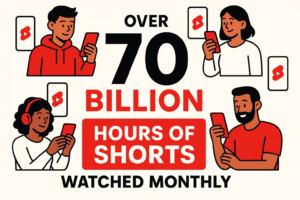
YouTube Shorts automation has become essential for content creators who want to grow their channels faster. In fact, over 70 billion hours of Shorts content are watched every month, according to YouTube statistics. As a result, this shows that vertical video is here to stay. Moreover, in 2025, automated Shorts creation is a must for serious creators and businesses.
Furthermore, short-form video has changed how content is made and consumed. Specifically, smart automation tools and planned workflows can handle tasks that once took hours of editing and scheduling. Therefore, creators using YouTube Shorts automation tools are seeing explosive growth. In particular, some channels gain thousands of subscribers in just weeks—a pace that used to take months.
Why Automation Enhances Creativity
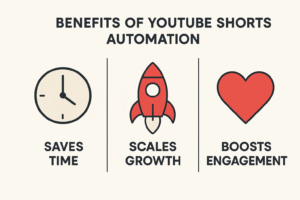
However, here’s the thing. Automation does not replace creativity. Instead, the real benefit of YouTube Shorts automation is saving time on repetitive tasks. Consequently, this lets creators focus on what matters: making engaging content that connects with viewers.
Additionally, the most successful creators know which tasks to automate. At the same time, they also know which ones need a human touch to keep viewers engaged.
Ready to transform your YouTube strategy? Discover our comprehensive digital solutions to get started with your channel transformation today.
Understanding YouTube Shorts Automation in 2025
What Is Shorts Automation?
To begin with, YouTube Shorts automation means using tools and workflows to create, optimize, and publish short videos. Importantly, modern automation enhances human creativity instead of replacing it. In essence, the idea is simple: tools handle repetitive tasks so you can focus on storytelling and growth.
Core Automation Areas
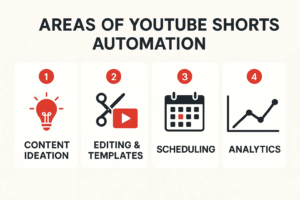
Furthermore, the automation process covers a few key areas:
Content Ideation: First and foremost, AI-powered research helps find what audiences are watching and searching for right now.
Video Editing: In addition, automated tools with templates make it faster to repurpose clips or create branded content.
Scheduling: Similarly, audience analytics ensure Shorts go live at the best times for maximum views.
Performance Tracking: Finally, dashboard systems track metrics so you can make smart decisions based on data.
For more on automation strategies, check out Hootsuite’s YouTube automation guide.
Why 2025 Is Different
Notably, what makes 2025 special is how smart the tools have become. For instance, machine learning can now analyze trending topics in your niche. Moreover, it suggests posting times based on your audience behavior. Additionally, it even creates thumbnail variations for testing.
As a result, this smarter automation improves over time. Consequently, it refines performance based on real results.
Scalability Benefits
Meanwhile, the real beauty of YouTube Shorts automation is scalability. For example, one creator can now run multiple channels and test different approaches. Furthermore, you can keep a consistent posting schedule without burning out.
In turn, this scalability unlocks revenue opportunities that were once out of reach. Ultimately, it lets individual creators compete with established media brands.
Essential Tools for YouTube Shorts Automation Success
Overall, choosing the right automation tools can make or break your strategy. Therefore, the best setups combine specialized software for different tasks.
Video Creation Tools
Notably, video creation tools have improved dramatically. For example, platforms like Pictory, InVideo, and Synthesia lead in AI-powered content generation.
Specifically, these tools turn blog posts, articles, or text prompts into engaging videos. Additionally, they add visuals, music, and captions automatically. Thus, find tools that maintain quality while offering customization options.
Scheduling Platforms
Meanwhile, scheduling automation needs reliable platforms that work with YouTube’s API. In particular, tools like Buffer, Hootsuite, and specialized YouTube schedulers handle uploads.
Furthermore, they optimize publishing times based on analytics. In addition, some even manage community engagement through automated responses.
Analytics Tools
On the other hand, analytics automation is often overlooked but crucial. For instance, tools like TubeBuddy, VidIQ, and custom dashboards automatically track performance.
Moreover, they identify trending opportunities and generate reports for your strategy. In fact, according to Statista, creators who monitor analytics see 40% faster growth.
Research Platforms
Similarly, content research automation saves countless hours. Specifically, platforms like BuzzSumo, AnswerThePublic, and Google Trends identify trending topics automatically.
In addition, they find popular questions in your niche and content gaps that competitors haven’t filled. As a result, this feeds directly into your content calendar.
Creating Your Automated Content Pipeline
Step 1: Content Ideation Automation
First, building an effective pipeline starts with planning. Instead of scrambling for ideas weekly, set up tools that deliver fresh inspiration constantly.
For example, keyword monitoring platforms track trending topics. Additionally, RSS feeds pull updates from industry blogs. Meanwhile, Google Alerts notify you about breaking news. Therefore, these systems provide steady content ideas.
Step 2: Template-Based Creation
Next, once you have topics, automate content creation with templates. In fact, most successful creators use 5 to 10 video templates for their niche.
Consequently, these templates turn raw ideas into finished Shorts quickly. For instance, use automated script generation for outlines. Then, add voice synthesis for narration. Finally, create automated thumbnails that match your brand.
As a result, this ensures consistency while allowing creativity to shine.
Step 3: Quality Control Checkpoints
However, even with strong automation, quality control matters. Therefore, the best strategies include human checkpoints before content goes live.
For example, review AI-generated scripts to ensure they sound natural. Additionally, verify thumbnails match your channel’s style. Also, double-check captions for errors.
Thus, strategic oversight maintains quality while automation handles heavy lifting.
Step 4: Publishing Optimization
Furthermore, publishing optimization aligns your pipeline with YouTube’s algorithm. Specifically, set up automated posting schedules based on when your audience is active.
In addition, optimize titles and descriptions for SEO. Meanwhile, adjust hashtags as trends shift. Consequently, this gives each Short a better chance to rank and reach new viewers.
Notably, tools like VidIQ and TubeBuddy provide insights tied to algorithm performance.
Need help setting up your pipeline? Contact us today to discuss how we can streamline your YouTube Shorts production process.
Advanced Automation Strategies That Drive Results
Dynamic Content Optimization
In fact, the difference between basic and advanced automation is how smart the system is. For instance, basic automation handles simple tasks like scheduling. On the other hand, advanced automation builds intelligent workflows that learn and adapt.
Specifically, dynamic content optimization is a game-changer in 2025. Instead of one fixed format, systems adjust video elements based on performance data.
For example, if analytics show Shorts with text overlays get 25% more engagement, your setup prioritizes text templates. As a result, over time, these adjustments compound into stronger results.
Cross-Platform Automation
Moreover, cross-platform automation is powerful for scaling visibility beyond YouTube. In particular, with the right workflows, you automatically repurpose Shorts into Instagram Reels and TikTok videos.
Additionally, each version gets adjusted for the right dimensions, captions, and hashtags. Therefore, this increases distribution without adding work. In fact, some creators triple their reach with cross-platform automation.
Audience Segmentation
Furthermore, audience segmentation automation personalizes content streams. Instead of sending the same content to everyone, you can tailor streams to viewer behavior.
For instance, systems analyze data and push sports Shorts to sports fans. Similarly, business-focused Shorts reach professional audiences. Consequently, this personalization builds stronger engagement.
Performance-Driven Adjustments
Meanwhile, the most sophisticated creators use performance-driven automation. Specifically, these setups monitor which content types perform best and adjust strategies in real-time.
For example, if educational Shorts outperform entertainment ones, the system leans toward educational content. At the same time, it still tests fresh formats to maintain variety.
As a result, this ensures constant optimization without losing creativity—critical for long-term growth.
Monetization Through Automated YouTube Shorts
Building Multiple Revenue Streams
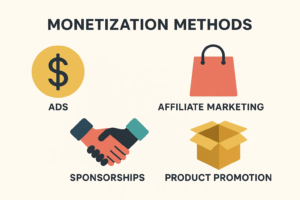
Overall, generating revenue from automated Shorts requires a strategy beyond basic ad revenue. In fact, creators who thrive in 2025 treat automation as the foundation of a monetization ecosystem.
Specifically, they build multiple revenue streams that work together and compound over time.
Affiliate Marketing Automation
For instance, one fast-growing method is affiliate marketing automation. With the right systems, you automatically match products to video topics.
Additionally, insert affiliate links into descriptions and track conversions without manual work. Therefore, tools like ThirstyAffiliates or Pretty Links make this seamless.
Lead Generation Systems
Similarly, another high-value strategy is automated lead generation. Instead of just entertaining viewers, create funnels that guide them toward free guides or mini-courses.
In particular, this approach works especially well for coaches, consultants, and educators. As a result, it converts casual viewers into long-term clients.
E-commerce Integration
Moreover, for e-commerce brands, product promotion automation turns Shorts into a nonstop sales driver. Specifically, systems automatically generate product demos and highlight customer testimonials.
In fact, with Shorts pulling over 70 billion views monthly, even small automation setups can dramatically increase sales.
Sponsorship Management
Furthermore, creators seeking brand deals benefit from automated sponsorship opportunity management. For example, set up systems that track channel growth and generate performance reports.
Therefore, automation handles research and outreach while you focus on relationship-building. As a result, this maintains a steady flow of opportunities.
Explore our YouTube Automation services to discover how we can accelerate your channel’s growth and profitability.
Common Automation Mistakes to Avoid
The Over-Automation Trap
Nevertheless, even well-planned automation can backfire without proper oversight. Therefore, understanding common pitfalls helps you build systems that strengthen your channel.
In particular, the biggest risk is over-automation. When creators automate everything, they remove the human element that viewers crave. Consequently, this results in generic content that feels robotic.
In contrast, the most successful channels know what to automate—scheduling, analytics, basic editing. At the same time, they also know what needs a human touch, creative direction, community interaction, and strategic pivots.
Ignoring Algorithm Changes
Moreover, another mistake is ignoring YouTube algorithm changes. In fact, the platform frequently updates its ranking system. As a result, automation that worked before may quickly become outdated.
Therefore, your workflows need regular optimization. Specifically, follow updates through resources like the YouTube Official Blog or Think with Google.
Quality Control Issues
Additionally, quality control problems also pose threats. For instance, automated tools sometimes produce inaccurate statements or awkward formatting. Without checkpoints, these errors damage credibility.
Thus, maintain review processes that include fact-checking scripts, verifying captions, and ensuring thumbnails match your brand.
Neglecting Audience Engagement
Furthermore, many creators neglect audience engagement. While automation saves time, it should never replace genuine community interaction.
For example, respond to comments. In addition, join conversations with other creators. Also, be authentic with your audience. In fact, YouTube’s data shows channels with consistent engagement achieve stronger retention and monetization.
Ultimately, automation should make creation easier, but viewers still expect a real person behind the screen. Therefore, balance is key.
Measuring Success: Analytics and Optimization
Focus on Quality Metrics
Overall, measuring performance separates successful automated channels from those that stall. In fact, the secret is tracking the right numbers and using data to refine automation.
Instead of just views and subscriber counts, focus on engagement quality. Specifically, watch time percentages and audience retention reveal more than vanity metrics.
Therefore, these signals show whether content genuinely resonates with viewers.
Track Automation Performance
Additionally, track automation performance metrics too. For instance, look at how much time workflows save you. Also, note what portion of Shorts needs manual intervention.
Furthermore, identify which automation processes deliver the highest ROI. In fact, many creators measure both time saved and revenue generated.
Implement A/B Testing
Moreover, smart creators incorporate A/B testing into automated systems. For example, experiment with thumbnail variations, posting schedules, video formats, and call-to-action placements.
As a result, you get clear data on what works best. Therefore, automated testing ensures your system continues improving as your audience evolves.
Revenue Attribution
Finally, don’t overlook revenue attribution. With multiple systems running, track precisely which Shorts drive affiliate sales, email sign-ups, or purchases.
Consequently, knowing where revenue comes from helps you invest resources wisely. In particular, platforms like Google Analytics and YouTube Studio Insights provide the clarity needed for data-driven adjustments.
Future Trends in YouTube Shorts Automation
AI-Powered Personalization
Meanwhile, the automation landscape evolves rapidly. Therefore, understanding upcoming trends helps you stay ahead and build future-proof systems.
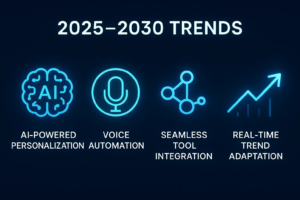
In particular, AI-powered content personalization will become more sophisticated. Specifically, automated systems will create content variations tailored to specific viewer segments automatically.
As a result, this combines the scale of automation with personalization that drives engagement.
Voice and Audio Improvements
Furthermore, improvements to voice and audio automation will enable more natural-sounding narration and better music integration. Consequently, this eliminates the need for expensive voiceover talent or music licensing.
Thus, it democratizes high-quality audio production for smaller creators.
Seamless Tool Integration
In addition, integration between automation tools will become more seamless. As a result, this creates unified workflows spanning creation, optimization, publishing, and monetization.
Therefore, comprehensive automation will become accessible to creators without technical expertise.
Real-Time Trend Adaptation
Finally, real-time trend adaptation represents the next frontier. Specifically, future systems will automatically adjust content topics, styles, and messaging based on trending events.
Consequently, your automated content remains timely and relevant without constant manual supervision.
Conclusion: Your Automated Success Starts Now
Overall, YouTube Shorts automation in 2025 gives creators powerful ways to grow faster and more sustainably. In essence, the key is not replacing creativity but using automation to simplify production and scale channels.
In fact, the most effective strategies balance efficiency and authenticity. Specifically, automation handles scheduling, editing, and analytics. Meanwhile, creators focus on building genuine connections with their audience.
Getting Started Is Simple
First, begin with YouTube’s scheduling feature to stay consistent. Next, add tools like Pictory or InVideo for automated editing. Then, as you grow, expand into advanced analytics with TubeBuddy or VidIQ.
Therefore, taking it step by step makes automation manageable.
The Benefits Are Clear
Moreover, the benefits go beyond saving time. For instance, with YouTube Shorts automation, creators test more ideas and reach new audiences. Additionally, you can manage multiple channels without burning out.
In fact, with Shorts generating over 70 billion monthly views, the growth potential is massive.
Success Requires Adaptation
However, success requires adaptation, though. Specifically, the most effective systems evolve with new AI tools, algorithm updates, and audience preferences. Therefore, keep your strategy flexible for long-term success.
Ultimately, your YouTube Shorts automation journey begins with a single step. By 2025, the tools and strategies for sustainable growth will be in place. Nevertheless, the real question is whether you can afford to delay while other creators dominate their niches.
Frequently Asked Questions
Q. How much does it cost to start YouTube Shorts automation in 2025?
First, the cost depends on the tools and features you need. Typically, basic automation tool subscriptions cost between $50 and $300 per month. In particular, these cover essentials like scheduling and automated editing.
On the other hand, advanced setups with AI-powered analytics and multi-channel scaling range from $500 to $1,000 monthly. However, most serious creators find the return on investment worthwhile.
In fact, time savings, subscriber growth, and revenue opportunities often balance costs within 3 to 6 months. For earnings potential, see YouTube’s official monetization guide.
Q. Can YouTube detect automated content and penalize channels?
In short, YouTube does not penalize automation itself. Instead, the platform only enforces quality standards and community guidelines.
Specifically, automated content that delivers value, follows copyright rules, and engages viewers is perfectly acceptable. However, problems arise only with spammy automation or low-quality Shorts that break policy.
Therefore, when used responsibly, YouTube Shorts automation enhances creativity and scales production without risk. Review YouTube’s community guidelines to ensure compliance.
Q. How long does it take to see results from YouTube Shorts automation?
Typically, most creators notice initial traction within 30 to 60 days. For instance, this includes better reach, early subscriber growth, and higher engagement.
Furthermore, significant growth typically becomes clear after 90 to 120 days of consistent automated posting. However, results vary based on your niche, content quality, competition, and automation sophistication.
Notably, when combined with proper YouTube SEO and audience analytics, automation significantly accelerates results. In fact, case studies from tools like TubeBuddy show consistent automation leads to stronger long-term growth.
Q. What’s the difference between YouTube Shorts automation and regular YouTube video automation?
In essence, YouTube Shorts automation is designed for short-form vertical videos. Specifically, it focuses on rapid creation cycles, algorithm optimization, and discovery in the Shorts feed.
In contrast, regular YouTube video automation applies to longer horizontal videos with slower production timelines and different engagement strategies. For example, Shorts require fast, frequent posting. On the other hand, regular video automation targets in-depth, evergreen content.
For more on how YouTube ranks different formats, check YouTube’s Creator Tips.
Q. Do automated YouTube Shorts qualify for monetization?
Yes, automated YouTube Shorts are fully eligible for monetization under the YouTube Partner Program. However, they must meet quality standards, community guidelines, and copyright rules.
Importantly, the automation method does not affect monetization eligibility. Instead, what matters is whether Shorts provide original, engaging, valuable content.
In fact, properly automated Shorts generate ad revenue, qualify for Shorts Fund payouts, and open brand partnership opportunities. For full details, refer to YouTube’s Partner Program requirements.
