
TikTok Shop Automation 2026: Complete Guide to Selling Products Effortlessly
TikTok Shop automation is reshaping how businesses approach social commerce in ways we couldn’t have imagined just a few years ago. According to Statista, over 170 million Americans now use TikTok monthly, with the platform generating billions in sales through its shopping features. As we move through 2026, automated selling systems on TikTok have shifted from optional upgrades to essential tools for brands that want to stay competitive in the fast-paced world of social media selling.
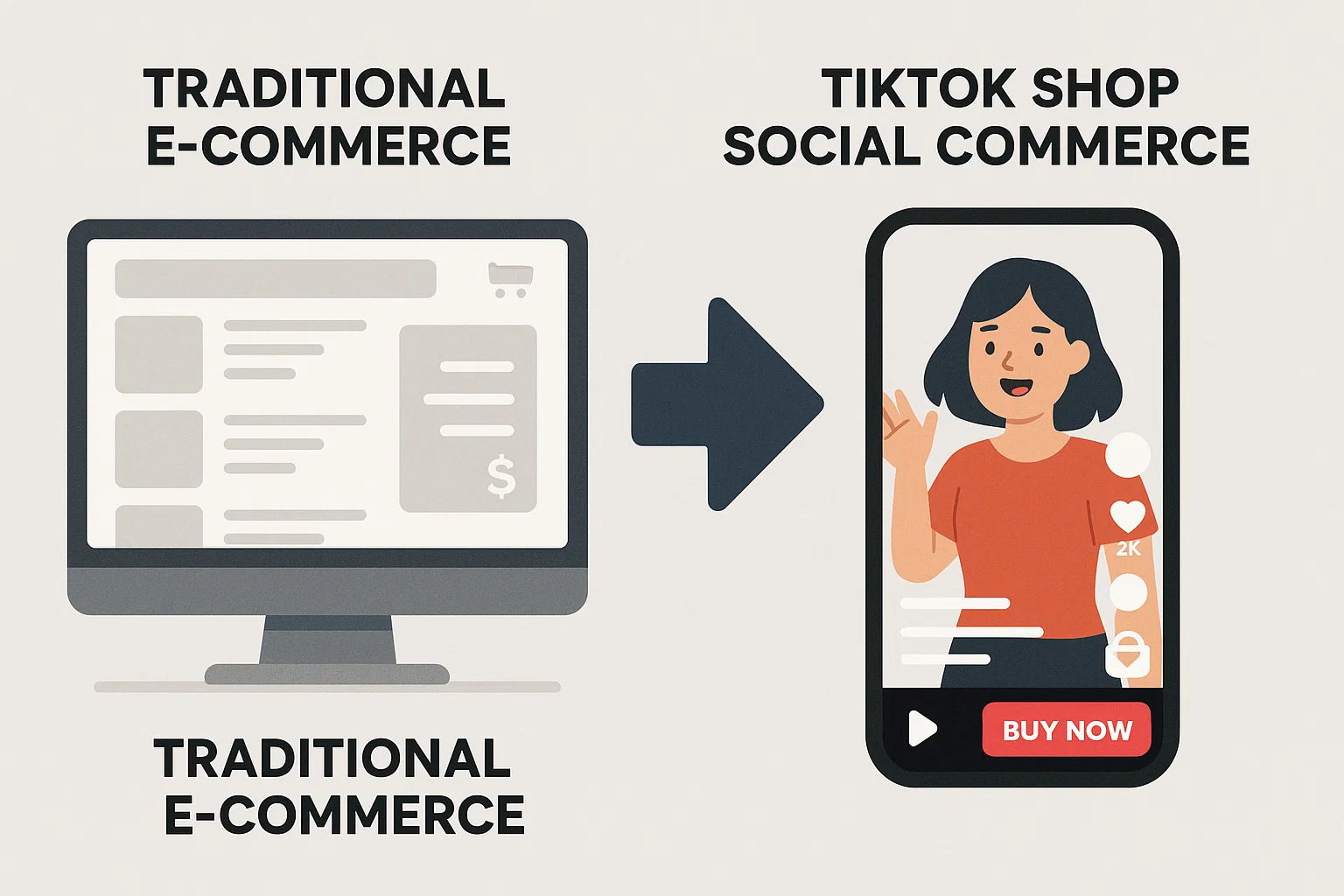
The shift from traditional online stores to social selling strategies represents one of the biggest retail transformations we’ve seen. While Amazon and other established marketplaces still dominate total sales, TikTok Shop has emerged as the fastest-growing player in automated social commerce. The momentum comes largely from Gen Z and millennial shoppers who prefer discovering products through engaging videos rather than browsing static product pages.
What makes TikTok Shop automation so powerful is how it merges content and conversion in one seamless experience. On most platforms, selling feels separate from the social experience. However, TikTok takes a different approach. It’s built-in shopping features let creators and brands monetize videos instantly, while viewers can purchase without leaving the app. That smooth blend of entertainment and shopping is what sets TikTok Shop apart and why automation on the platform continues gaining momentum.
Understanding TikTok Shop Automation in 2026
The landscape of TikTok Shop automation has matured significantly since its early days. What began with basic product listing tools has expanded into comprehensive automated TikTok order fulfillment systems that touch nearly every aspect of selling. Businesses today use automation not just to keep stores running, but also to create content, connect with influencers, manage inventory, and handle customer service seamlessly.
Modern TikTok Shop automation tools work smarter than ever before. For example, they can scan trending hashtags, track viral content patterns, and automatically adjust product promotions based on real-time engagement. This technology enables smaller businesses to compete with larger retailers through advanced social commerce automation. Data-driven insights that once required massive marketing budgets are now accessible to anyone willing to use automation effectively.
The biggest leap forward has been in content creation. Advanced systems can now produce product videos, write compelling descriptions, and schedule posts when users are most active. By automating these time-consuming tasks, TikTok Shop automation removes roadblocks that previously held businesses back. As a result, it levels the playing field and makes it possible for almost any brand to succeed in social commerce.
Key Benefits of TikTok Shop Automation
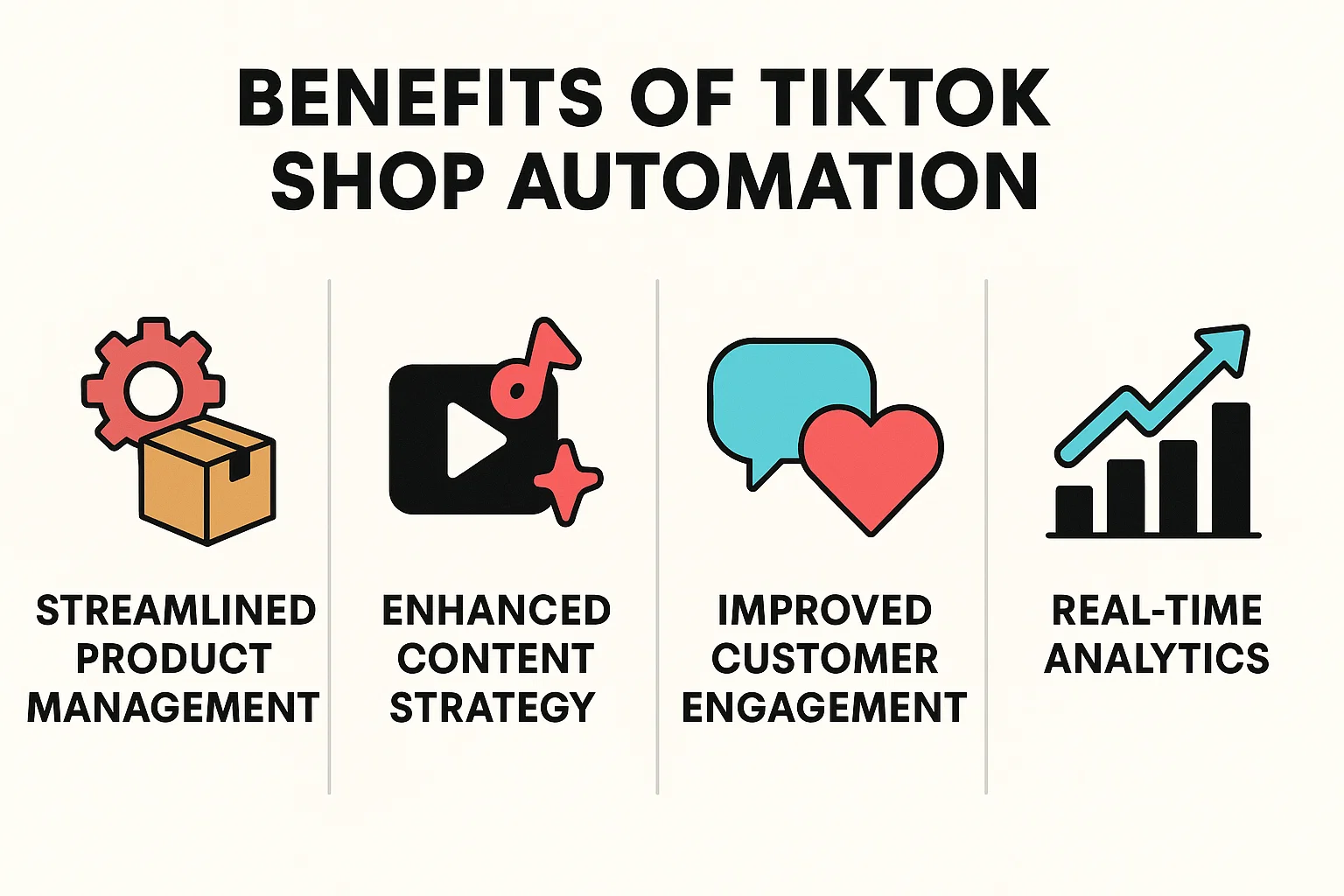
Streamlined Product Management
One immediate benefit of implementing TikTok Shop automation is the dramatic reduction in time spent on routine product tasks. Automated inventory systems handle updates, price adjustments, and product description optimization without constant manual oversight.
This efficiency becomes particularly valuable when managing large product catalogs or seasonal inventory changes. Instead of spending hours updating individual listings, business owners can focus on developing TikTok Shop selling strategies and building customer relationships while automation handles operational details.
Enhanced Content Strategy
Content creation remains at the heart of TikTok success, but automation tools have made it far more manageable for businesses without dedicated creative teams. Modern automated content platforms can analyze successful content patterns within specific niches and suggest video concepts, optimal posting times, and trending audio tracks.
The integration between content automation and sales tracking also provides valuable insights into which content types drive the highest conversion rates. This data-driven approach enables businesses to refine their messaging and visual style based on actual sales results rather than guesswork.
Improved Customer Engagement
Automated customer service tools designed specifically for TikTok Shop can handle common inquiries, process returns, and even provide personalized product recommendations based on user behavior. This responsiveness helps maintain TikTok’s expectation for quick, engaging interactions while reducing workload through social commerce automation.
The automation extends to community management as well, where systems can identify and respond to comments on product videos, engage with user-generated content, and maintain a consistent brand voice across all interactions.
 In fact, automating your TikTok sales strategy is becoming essential for brands that want to scale without sacrificing quality or customer experience.
Essential TikTok Shop Automation Tools and Features
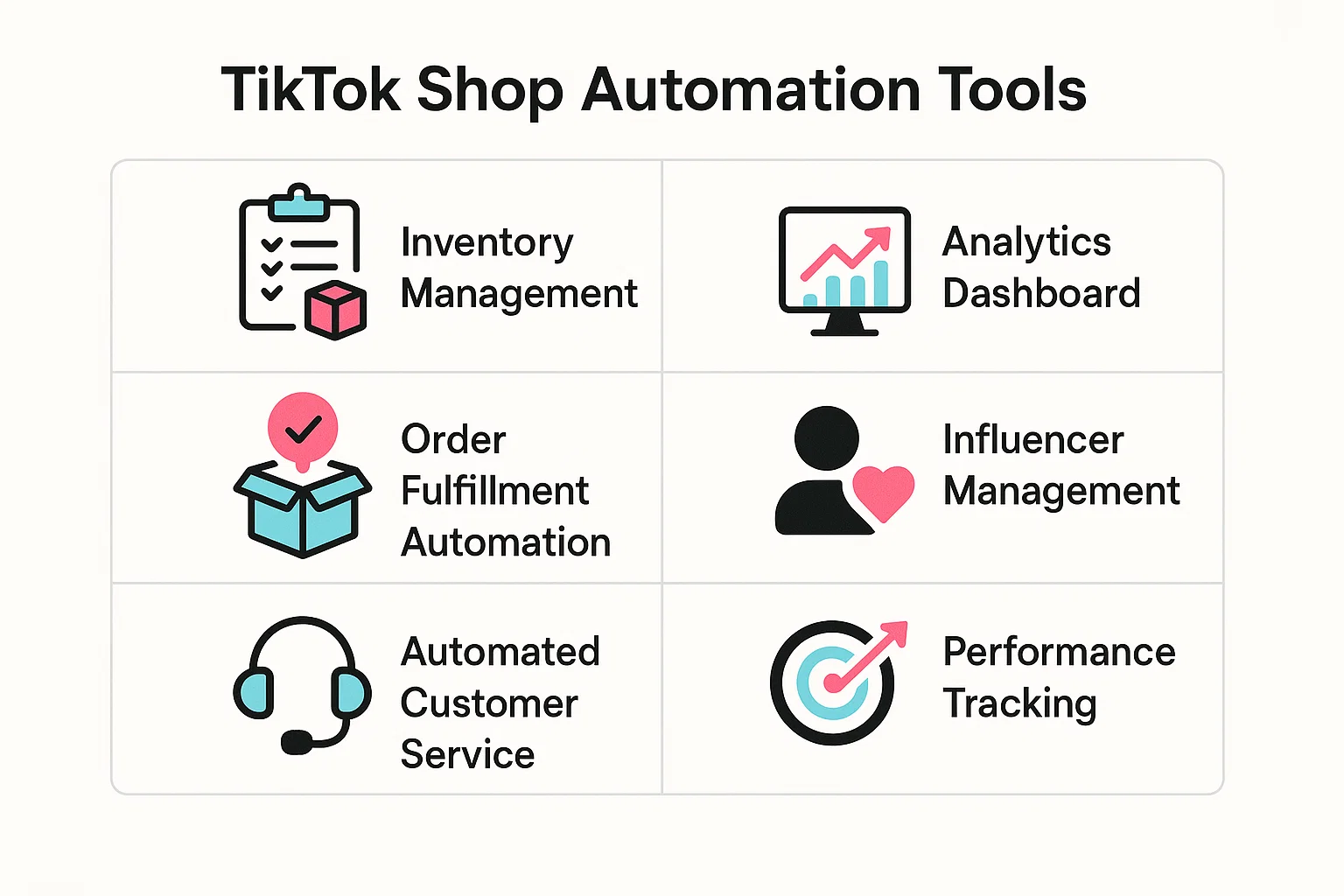
Inventory and Order Management
Effective inventory management becomes critical when dealing with TikTok’s viral nature. A single viral video can generate thousands of orders within hours, making manual inventory tracking impossible. Automated TikTok order fulfillment systems monitor stock levels in real-time, automatically pause promotions when inventory runs low, and trigger reorder notifications to prevent stockouts.
Order fulfillment automation ensures that the high-speed nature of TikTok commerce doesn’t result in shipping delays or customer service issues. Moreover, integration with existing fulfillment centers and shipping providers allows businesses to maintain quick turnaround times even during sudden sales spikes.
Analytics and Performance Tracking
Analytics tools available for TikTok Shop automation have become increasingly sophisticated in 2026. Modern platforms track content performance, audience demographics, conversion patterns, and competitor activity to provide comprehensive market intelligence. According to Shopify’s latest report, businesses using advanced analytics see up to 40% higher conversion rates compared to those relying on basic metrics alone.
This data becomes invaluable for making strategic decisions about product positioning, pricing strategies, and content development. The ability to see which products perform best with specific audience segments allows for highly targeted TikTok Shop selling strategies that maximize return on advertising spend.
Influencer and Creator Management
TikTok Shop automation tools now include features for identifying, contacting, and managing relationships with creators who align with specific brand values and target audiences. These systems track creator performance, manage collaboration agreements, and even automate payment processing for affiliate relationships.
The integration of creator management with sales tracking provides clear ROI metrics for influencer partnerships. Consequently, businesses can identify which collaborations drive the most valuable customer acquisition and focus their efforts accordingly.
Setting Up Your TikTok Shop Automation System
Initial Platform Setup
The foundation of successful TikTok Shop automation begins with proper platform setup. It’s not just about linking your product catalog to TikTok’s shopping features and calling it done. A solid setup means thinking strategically about product categorization, pricing structure, and defining your target audience from the start.
One common mistake businesses make is treating TikTok Shop setup the same way they would configure a traditional online store. However, social commerce works differently. Product presentation, description writing, and customer communication all need a different approach on TikTok. Recognizing these differences early saves frustration later and shortens the path to profitability.
On the technical side, integrating your current systems with TikTok Shop automation tools requires careful planning. Smooth connections between platforms reduce errors and create a foundation that supports long-term growth.
Content Automation Strategy
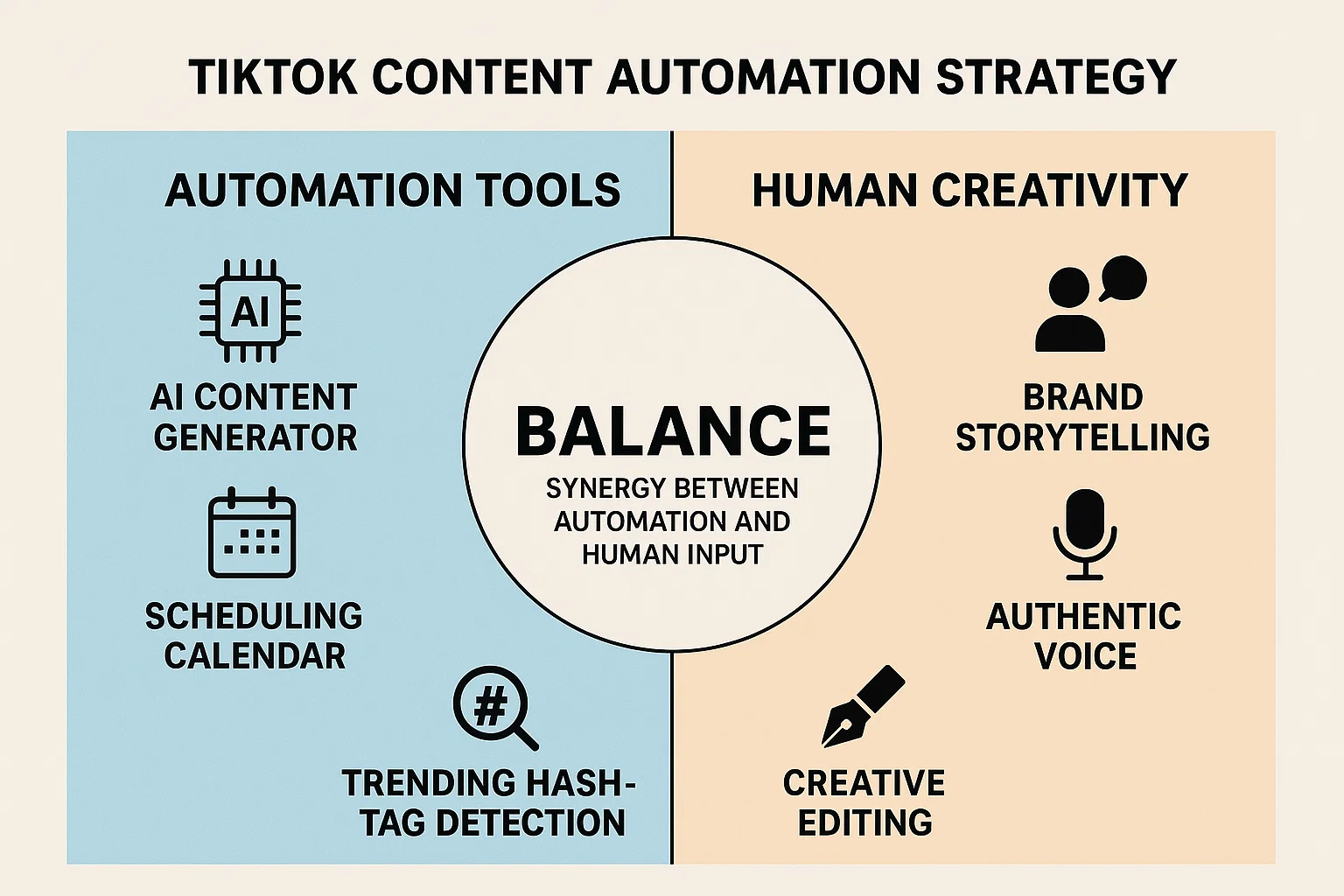
Building a content automation strategy for TikTok Shop is about finding the right balance between efficiency and authenticity. Automated content creation can handle a lot, from generating posts to maintaining consistent schedules. Nevertheless, the human touch is still what resonates most with TikTok users. Without that authenticity, even the smartest automation falls flat.
The most effective TikTok Shop selling strategies typically combine both elements. Automated tools track trends, schedule posts at optimal times, and maintain regular content flow. Meanwhile, the creative side of the brand shapes the voice and ensures every video remains genuine. This mix consistently produces content that is both engaging and on-brand.
Another critical piece of content automation involves having clear rules for identifying and capitalizing on trends. Social commerce automation systems that quickly identify viral hashtags or formats give businesses a head start. However, pairing that with brand consistency is what drives real engagement and reach.
Integration with Existing Systems
For businesses already selling across multiple platforms, TikTok Shop automation works best when integrated seamlessly with existing tools. This goes beyond product syncing. Inventory management, customer data, and financial reporting must all connect to ensure smooth operations through automated TikTok order fulfillment.
The complexity of multi-platform integration depends on the systems a business already has in place. Fortunately, most modern TikTok Shop automation tools now offer API connections and data sync features, making the process significantly easier. Getting this integration right reduces inventory mix-ups, avoids duplicate customer service efforts, and keeps analytics reporting unified, which saves time and money.
 If you need help integrating TikTok Shop automation with your existing e-commerce operations, contact our team for personalized guidance on creating seamless multi-platform automation systems.
Best Practices for TikTok Shop Automation Success
Maintaining Authenticity While Scaling
One of the biggest challenges with TikTok Shop automation is balancing authentic brand voice with efficient scaling. The most successful businesses manage this by using automation for operational tasks while maintaining a human touch in customer-facing moments and content creation.
The balance comes down to having clear rules for when automation should take over and when a real person needs to step in. Tasks like order processing and answering basic customer questions can be handled smoothly through automated systems. On the other hand, customer complaints, creating original content, or managing strategic partnerships almost always require human involvement.
What makes the difference is how natural automated interactions feel. TikTok users expect conversational, human-like communication, not stiff responses. This means businesses need to regularly refine their automation settings and continually review how these interactions sound. By ensuring the tone remains on-brand and aligned with customer expectations, automation can enhance efficiency without losing the personal connection that keeps people engaged.
Data-Driven Optimization
Successful TikTok Shop automation relies on constant optimization, which requires regularly paying close attention to performance data. Businesses that thrive on the platform consistently review content performance, conversion rates, customer feedback, and competitor activity to spot improvement opportunities before they slip away.
TikTok moves faster than traditional platforms, so the timeline for optimization is much shorter. Instead of quarterly or monthly reviews, weekly or even daily check-ins on key metrics are often necessary. This frequent monitoring enables businesses to stay ahead of algorithm updates and shifting content trends that can impact visibility and sales.
A strong data-driven approach also relies on testing. This includes experimenting with various automation settings, testing new content formats, and refining strategies until the optimal mix is found for a specific product category or audience segment. Over time, this trial-and-error process sharpens automation strategies and maximizes results.
Compliance and Best Practices
Another pillar of TikTok Shop automation is compliance. Beyond running efficiently, businesses must stay aligned with TikTok’s policies and broader e-commerce regulations. This includes proper disclosure when content is automated, ensuring accurate product descriptions, and maintaining transparent pricing. Skipping these steps can result in account restrictions or platform removal.
Since TikTok frequently updates its commerce features and rules, regular policy reviews are essential. A proactive approach ensures that automation settings remain compliant, avoid unnecessary disruptions, and help businesses maintain good standing on the platform.
There’s also the customer side of compliance to consider. Today’s shoppers value transparency, especially when automation is involved. Clear communication about how automated systems are being used can actually build trust. Far from being a weakness, honesty about automation can make a business look more reliable and customer-focused.
Advanced TikTok Shop Automation Strategies
AI-Powered Content Creation
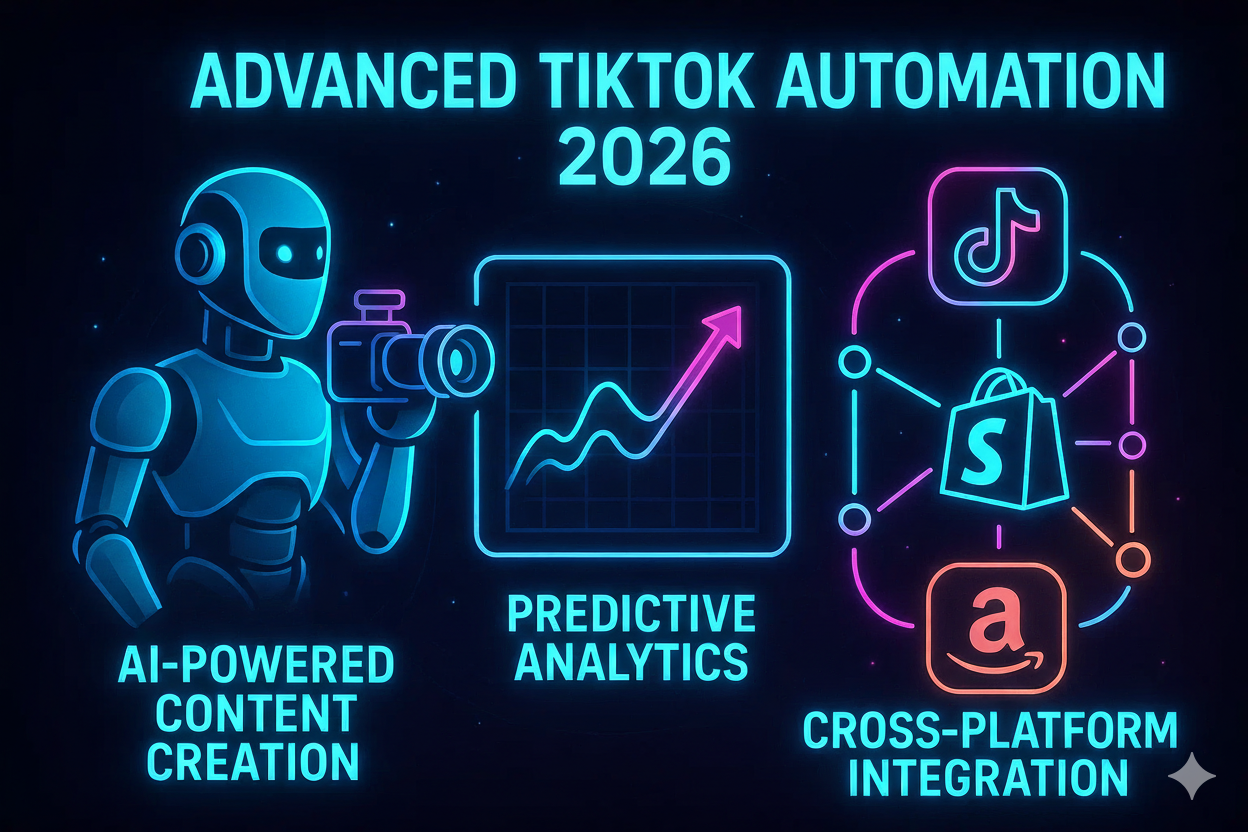
Artificial intelligence plays a significant role in automated content creation for TikTok Shop in 2026, representing one of the most advanced forms of automation available today. Modern AI systems can analyze successful content patterns, generate new video concepts, and even produce simple product showcase videos independently.
However, the real power of AI-powered content creation lies in its ability to support human creativity rather than replace it. AI tools excel at identifying trending formats, recommending optimal posting times, and analyzing audience responses. At the same time, human creators bring the authentic brand voice and originality that viewers connect with most.
When both work together, businesses can maintain a steady flow of content without losing the engaging qualities that drive TikTok’s success. This hybrid approach also opens the door to spotting emerging opportunities early and staying ahead of viral trends before competitors catch up.
Cross-Platform Integration
Another area where TikTok Shop automation is advancing quickly involves cross-platform integration. An increasing number of businesses are integrating TikTok Shop with other social commerce platforms and traditional e-commerce channels. This approach enables them to leverage TikTok’s discovery and engagement capabilities while expanding reach to broader markets beyond the app.
For cross-platform automation to work smoothly, automated inventory management and customer data synchronization are essential. Without it, businesses risk overselling products or creating inconsistent customer experiences. While the technical setup can be complex and often requires specialized expertise, the benefits are well worth it. Proper integration reduces operational headaches and increases customer lifetime value by creating a seamless experience across every channel.
Businesses with experience in e-commerce automation across multiple platforms often find that their existing infrastructure provides a solid foundation for integrating TikTok Shop automation into their operations.
Predictive Analytics and Trend Forecasting
The most advanced TikTok Shop automation systems now use predictive analytics. These tools can forecast trending products, determine ideal inventory levels, and even estimate the performance of specific content. They draw insights from historical sales data, market trends, and TikTok’s algorithm patterns to provide businesses with a data-driven edge in planning their next moves.
Predictive analytics is especially valuable for seasonal businesses and those with long procurement cycles. Being able to anticipate demand spikes or upcoming content opportunities enables companies to prepare their inventory and marketing campaigns ahead of time, thereby maximizing sales when it matters most.
While predictive analytics requires heavy data collection and advanced analysis, the competitive advantage it provides is hard to ignore. For businesses serious about achieving long-term success on TikTok Shop, this level of foresight can be the difference between chasing trends and leading them.
Common Challenges and Solutions
Managing Viral Sales Spikes
One of the biggest challenges with TikTok Shop automation is managing sudden sales spikes resulting from viral content. Unlike traditional platforms where sales growth is typically steady, TikTok can take a single video and generate a massive surge in orders within hours. If automated TikTok order fulfillment systems aren’t prepared, this kind of demand can quickly overwhelm operations.
Innovative automation platforms are designed with safeguards to manage these spikes. Features like automatic inventory caps, surge pricing options, and overflow fulfillment processes help businesses capture viral momentum without disappointing customers. Instead of crashing under pressure, companies can ride the wave smoothly and turn viral moments into lasting wins.
Preparation is just as necessary. Building relationships with backup fulfillment providers and customer service teams in advance ensures that when a spike occurs, extra resources can be activated promptly. This kind of scalable setup means that viral success leads to repeat customers rather than frustrated ones.
Maintaining Customer Service Quality
As TikTok Shop automation increasingly handles customer interactions, service quality becomes a top priority. The casual, conversational nature of TikTok means customers expect responses that feel personal and human. Automation systems must be capable of adapting to diverse personalities and addressing a broad spectrum of questions without appearing robotic.
The best solutions use detailed automation rules to manage routine inquiries while seamlessly escalating more complex issues to human representatives. The handoff must feel smooth to ensure customers never feel trapped in an impersonal system.
Maintaining high service quality also requires regular updates. By training automation systems with customer feedback and monitoring service metrics, businesses can make sure efficiency gains don’t come at the expense of genuine customer satisfaction.
Platform Algorithm Changes
TikTok’s algorithm changes represent another variable that can shake up performance for sellers. Since the algorithm heavily influences which content gets visibility, any update can directly impact engagement and sales. That’s why successful businesses develop automation tools that can adapt quickly when changes are introduced.
Monitoring systems that track performance data in real time allow automation settings to be adjusted as soon as shifts in visibility are detected. However, since algorithms are unpredictable, relying solely on TikTok is risky. Diversifying across multiple content types and other social platforms adds resilience and protects sales from sudden drops in revenue.
Staying informed also makes a huge difference. Following TikTok updates, staying current on industry best practices, and learning from professional communities help businesses prepare for changes ahead of time rather than scrambling to catch up. Automation works best when it’s proactive, not reactive.
Ready to implement advanced TikTok Shop automation for your business? Explore our specialized services designed to help you succeed in social commerce.
Future of TikTok Shop Automation
Emerging Technologies
The next wave of TikTok Shop automation is already taking shape, driven by emerging technologies that will revolutionize online shopping. Augmented reality product demos, voice-activated shopping, and advanced AI personalization are just a few innovations on the horizon. These tools are designed to close the gap between content consumption and actual purchase decisions, making the buying journey faster and more natural.
Virtual and augmented reality hold enormous potential. Imagine customers being able to virtually try on clothing, test accessories, or see furniture in their living room before hitting buy. This kind of immersive experience reduces return rates and builds confidence in purchases. However, this also brings more complex automation requirements, as systems will need to process richer customer data and more detailed interaction patterns.
Advances in machine learning will take personalization to another level as well. Future TikTok Shop selling strategies won’t just recommend products but will predict preferences and tailor content delivery with incredible accuracy. The result is higher conversion rates, stronger retention, and longer customer lifetime value.
Market Evolution
As TikTok Shop automation continues to mature, the competitive landscape will shift. Basic automation, like product syncing and scheduling, will soon be the bare minimum. Businesses aiming to differentiate themselves will require advanced tools such as predictive analytics, AI-driven content creation, and cross-platform optimization. These will become the real competitive differentiators.
We’ll also see deeper integration between social commerce and traditional retail channels. Omnichannel strategies will combine TikTok’s discovery-driven shopping with the reliability of established e-commerce operations, providing customers with both inspiration and convenience in a seamless, unified experience.
At the same time, regulations surrounding data privacy, content transparency, and consumer protection are likely to tighten. Businesses that address these areas early, rather than waiting to react, will have an edge in both compliance and customer trust.
Strategic Considerations
Looking ahead, long-term success with TikTok Shop automation will require more than chasing short-term sales spikes. Building brand equity, nurturing customer relationships, and creating sustainable competitive advantages will become increasingly important as the market gets more crowded.
The businesses that truly thrive will be those that use automation to enhance human creativity and customer service rather than replace them entirely. A human-centered approach to automation will stand out in a marketplace where efficiency alone is no longer enough.
For companies serious about achieving sustainable growth on TikTok Shop, investing in data analytics, customer relationship management, and cross-platform integration will be essential. These capabilities enable adaptation to shifting market conditions, keeping pace with platform developments, and building a foundation for long-term success.
Conclusion
TikTok Shop automation has become one of the most transformative opportunities for e-commerce businesses in 2026. It offers something almost impossible just a few years ago: the ability to scale social commerce operations while keeping the authentic engagement that makes TikTok so powerful. When advanced automation tools are combined with human creativity and thoughtful strategy, businesses gain a real edge in an increasingly competitive marketplace.
But success with TikTok Shop automation isn’t about installing a few tools and waiting for results. It requires precise planning, ongoing optimization, and an understanding that social commerce is distinct from traditional e-commerce. The businesses that thrive will be the ones that build comprehensive automated TikTok order fulfillment strategies while protecting their brand voice and maintaining personal customer relationships.
TikTok is shaping the future of mobile-first shopping and content-driven sales faster than any other platform. This means companies implementing sophisticated social commerce automation strategies today will be better positioned as competition continues to rise. The advantage will go to those who are ready early.
The real key to long-term success is seeing automation as something that enhances human capabilities rather than replaces them. Efficiency should never come at the cost of authentic connections. By striking the right balance, businesses can enjoy both scalability and the kind of customer loyalty that drives lasting growth through strategic selling strategies.
As 2026 progresses, TikTok Shop automation is shifting from a competitive advantage to an essential component of running a successful social commerce operation. The question for most businesses is no longer whether to adopt automation, but how quickly they can bring these powerful tools into their overall strategy and start seeing results.
Frequently Asked Questions
Q. What is TikTok Shop automation in e-commerce?
TikTok Shop automation refers to using software and tools to streamline selling processes on TikTok’s shopping platform. It automates tasks like inventory management, order fulfillment, content scheduling, and customer service. This allows businesses to scale their social commerce operations efficiently while maintaining consistent engagement with customers.
Q. How much does it cost to start a TikTok Shop automation business in 2026?
Starting with TikTok Shop automation typically costs between $200 and $2,000 per month, depending on the tools and services you choose. Basic automated inventory platforms start around $200 monthly, while comprehensive solutions with AI-powered content creation and advanced analytics can cost $1,000 or more. Initial setup costs may also include platform integration fees ranging from $500 to $5,000 for complete system implementation.
Q. Is TikTok Shop automation profitable for beginners?
Yes, TikTok Shop automation can be profitable for beginners because it levels the playing field with larger competitors. Small businesses can compete effectively by focusing on niche audiences and creating authentic content while automation handles operational tasks. Most businesses see initial traffic improvements within two to four weeks, with significant sales growth typically occurring within two to three months of implementing automation.
Q. What tools automate TikTok Shop operations?
The best TikTok Shop automation tools in 2026 include inventory management systems, AI-powered content creation platforms, analytics and performance tracking software, and influencer management tools. These systems handle product listing updates, schedule posts at optimal times, track sales metrics, and manage creator partnerships. Many modern platforms also offer cross-platform integration to sync with existing e-commerce systems.
Q. How does TikTok Shop automation help small business owners?
TikTok Shop automation helps small business owners by reducing time spent on repetitive tasks like inventory updates, order processing, and customer inquiries. It provides access to sophisticated marketing tools and data analytics that were previously only available to larger companies with bigger budgets. This enables small businesses to compete more effectively, maintain consistent customer engagement, and scale operations without needing to hire large teams.
